Mastering Depth: A Guide to Ghost 3D SVG Multilayer Halloween Files for Precision Crafting
The evolution of digital crafting has transformed how enthusiasts and professionals approach seasonal decor. Where flat cutouts once dominated the landscape, there is now a profound demand for dimensionality and texture. At the forefront of this trend are Ghost 3D SVG Multilayer Halloween Files, specifically designed to bridge the gap between digital design and tangible artistry. These files are not merely images; they are complex blueprints for creating immersive shadow boxes and wall art that capture the eerie elegance of the Halloween season. By utilizing a structured approach to layering, crafters can produce pieces that command attention through depth, shadow, and intricate detail.
The Architecture of Dimensional Design
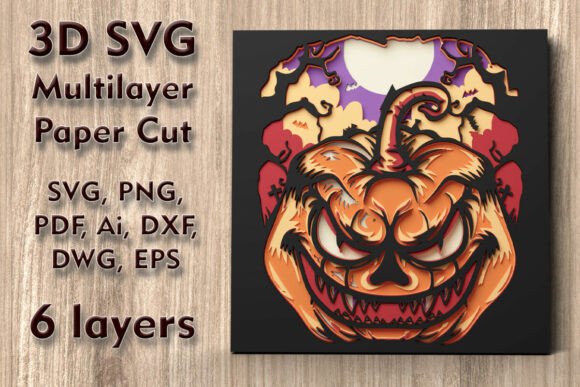
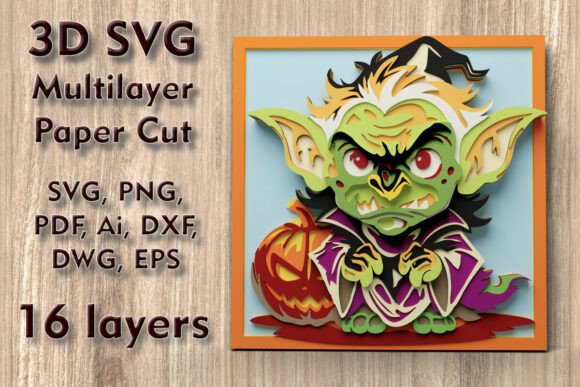
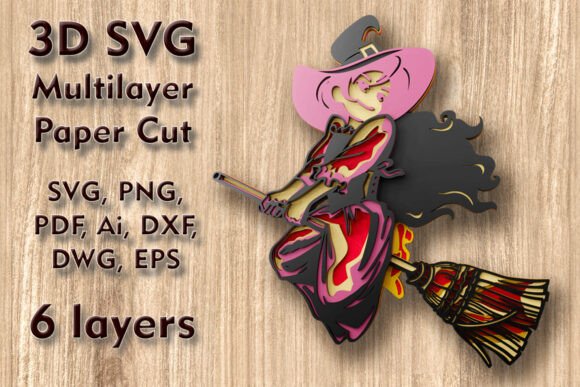
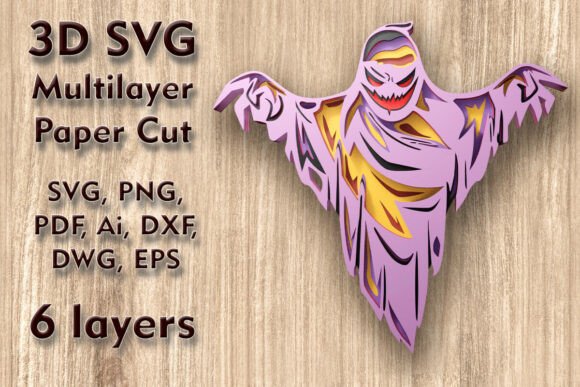
Understanding the structural integrity of a multilayered design is crucial before beginning any project. The specific Ghost Mundala Svg design discussed here consists of six separate layers. This number is significant because it provides sufficient depth to create a convincing three-dimensional effect without becoming unmanageably thick or heavy for standard wall mounting. Each layer serves a distinct purpose, acting as a foreground, mid-ground, or background element that contributes to the overall visual narrative.
The base dimensions of this design are set at 270 x 250 mm (10.7 x 9.9 inches). This size is ideal for standard shadow boxes and allows for detailed cutting on most consumer-grade machines. However, flexibility is a key feature of vector-based designs. The size is easily increased to accommodate larger statement pieces for entryways or living rooms. Conversely, creators must exercise caution when reducing the design. As the overall scale decreases, the thin elements within the ghostly figures and mandala patterns become increasingly fragile. Reducing the size too much can result in parts that are impossible to weed or that break during handling, compromising the structural integrity of the final piece.
Material Selection and Compatibility
One of the primary advantages of using high-quality Ghost 3D SVG Multilayer Halloween PaperСut Files is their versatility across various materials. The choice of material dramatically alters the aesthetic and durability of the final product. Below is an analysis of compatible materials and their specific applications:
- Plywood and Wood: Ideal for laser cutting and CNC routing. Wood adds warmth and a rustic charm, making the ghost motifs feel like ancient artifacts. Thin plywood, such as 3mm birch, is perfect for maintaining the delicate details of the six layers while providing rigidity.
- Cardstock and Paper: The traditional choice for paper cutting machines like Cricut and Silhouette. High-weight cardstock ensures that the layers hold their shape without warping. Using varying shades of white, cream, or pale orange can enhance the depth perception without needing paint.
- MDF (Medium-Density Fiberboard): Offers a smooth surface that is excellent for painting. If you plan to create a monochromatic or brightly colored shadow box, MDF provides a uniform canvas that hides grain patterns.
- Acrylic: For a modern, translucent effect, acrylic sheets can be used. This material interacts with light differently, allowing for backlighting options that make the ghost design appear to glow from within.
- Cardboard: A cost-effective option for prototyping or large-scale installations where weight is a concern. Corrugated cardboard adds its own texture, which can be incorporated into the design aesthetic.
- Aluminum: For industrial or contemporary decor, thin aluminum sheets can be cut using specialized laser settings. This creates a sleek, metallic finish that contrasts sharply with the organic shapes of the ghost motif.
Workflow Integration for Cutting Machines
Whether you are a hobbyist with a desktop cutter or a professional with an industrial CNC router, the workflow for these files is streamlined for efficiency. Upon purchase, users receive a comprehensive ZIP folder containing multiple file formats: SVG, layered SVG files, DXF, DWG, EPS, AI, PNG, and PDF. This variety ensures compatibility with virtually every software ecosystem.
For Cricut and Silhouette users, the layered SVG files are particularly valuable. These files preserve the separation of the six layers, allowing the software to recognize each part individually. This eliminates the need for manual separation, saving hours of preparation time. Users can simply import the file, assign cut lines to each layer, and select the appropriate material settings. The precision of these machines handles the intricate curves of the mandala and the sharp edges of the ghost silhouettes with ease.
Laser cutter owners, such as those with Glowforge or other CO2 lasers, will benefit from the DXF and AI formats. These vector files allow for precise control over power and speed settings. When cutting wood or acrylic, it is essential to perform test cuts to ensure that the thin elements do not burn or melt. The vector paths are clean and closed, minimizing the risk of machine errors during the cutting process.
CNC router users can utilize the DWG and DXF files to generate toolpaths. Since the design involves six layers, careful planning of the z-axis depth is required. Using a small end mill bit is recommended to navigate the tight corners and delicate features of the ghost design. Securing the material properly is vital to prevent vibration, which could lead to inaccuracies in the finer details.
Assembly Techniques for Professional Results
Cutting the layers is only half the battle; assembly is where the magic happens. To achieve the best results with Ghost 3D SVG Multilayer Halloween Files, consider the following assembly strategies:
- Spacer Implementation: To create true depth, use foam tape, wooden spacers, or silicone bumpers between each layer. The thickness of the spacer determines the shadow intensity. Thicker spacers create deeper shadows, enhancing the 3D effect, while thinner spacers result in a more subtle relief.
- Alignment Precision: Use registration marks or a lightbox to align the layers accurately. Even a millimeter of misalignment can disrupt the visual flow of the mandala pattern. Taking time to ensure perfect alignment is critical for a professional finish.
- Adhesive Selection: Choose an adhesive that dries clear and does not warp the material. Spray adhesives work well for paper and cardstock, while wood glue or epoxy is suitable for wooden and acrylic layers. Avoid excessive glue, which can seep out and damage the visible surfaces.
- Framing: A deep shadow box frame is necessary to accommodate the six layers plus spacers. Ensure the frame depth matches the total thickness of your assembled artwork. Glass or acrylic fronts protect the interior from dust and humidity, preserving the longevity of the piece.
Expanding Creative Applications
While wall art is the most common application, the versatility of these files opens doors to numerous other creative projects. The Ghost Mundala Svg can be adapted for greeting cards, where the layers are folded or popped up to create a surprise element when opened. It also serves as an excellent template for gift tags, coasters, or even jewelry pendants if scaled down appropriately and cut from durable materials like acrylic or metal.
Educators can use these files to teach principles of geometry, symmetry, and spatial reasoning. By dissecting the six layers, students can understand how two-dimensional shapes combine to create three-dimensional forms. This hands-on approach makes learning engaging and relevant to real-world design processes.
For business owners in the home decor sector, offering customized versions of these designs can be a lucrative venture. Clients may request specific color schemes to match their interior design or personalized elements integrated into the mandala pattern. The scalability of the SVG format allows for easy customization without loss of quality, enabling rapid prototyping and production.
Considerations for Long-Term Durability
To ensure that your creation remains a cherished part of your decor for years to come, consider environmental factors. Paper and cardstock are sensitive to humidity and direct sunlight, which can cause fading and warping. Sealing paper projects with a UV-protective spray can mitigate these effects. Wooden pieces should be sealed with a varnish or oil to prevent moisture absorption and maintain their structural stability. Acrylic and aluminum are inherently more resistant to environmental changes, making them suitable for areas with fluctuating temperatures or higher humidity levels.
Proper storage is also essential if the piece is not displayed year-round. Store assembled shadow boxes in a cool, dry place, ideally in their original packaging or a protective box to prevent dust accumulation and physical damage. By treating these crafted items with care, you preserve the intricate details and the emotional value they bring to your space.
In conclusion, Ghost 3D SVG Multilayer Halloween Files represent a sophisticated intersection of technology and artistry. They provide a accessible yet challenging project for crafters of all skill levels, offering endless possibilities for customization and expression. By understanding the nuances of material selection, machine compatibility, and assembly techniques, you can transform simple digital files into stunning physical artworks that captivate and inspire.