Creating Depth and Drama with the Pumpkin 3D SVG Multilayer Halloween File
The evolution of digital crafting has transformed how we approach seasonal decor, moving far beyond flat, two-dimensional cutouts. Today’s creators and homeowners seek depth, texture, and interactivity in their designs. This shift is perfectly embodied by the Pumpkin 3D SVG Multilayer Halloween File, a design resource that bridges the gap between traditional paper crafting and modern digital fabrication. By utilizing layered vector graphics, crafters can produce stunning shadow boxes and wall art that capture light and shadow in ways static images cannot.
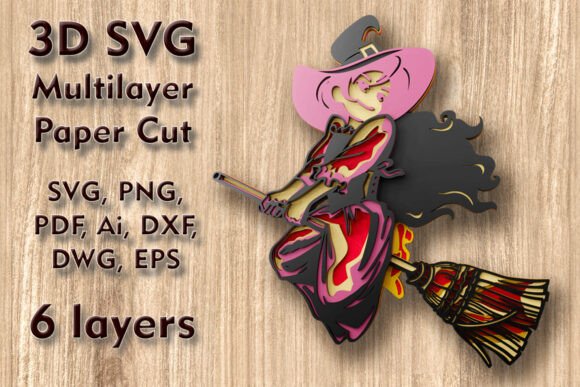
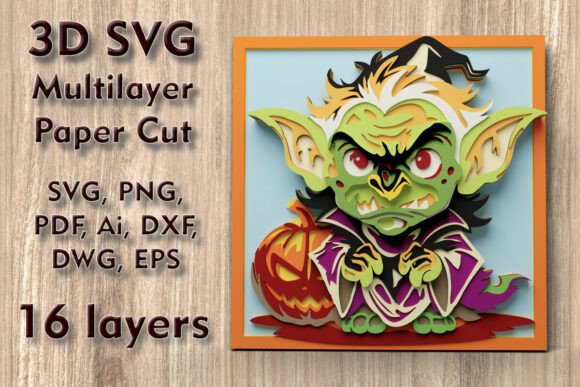
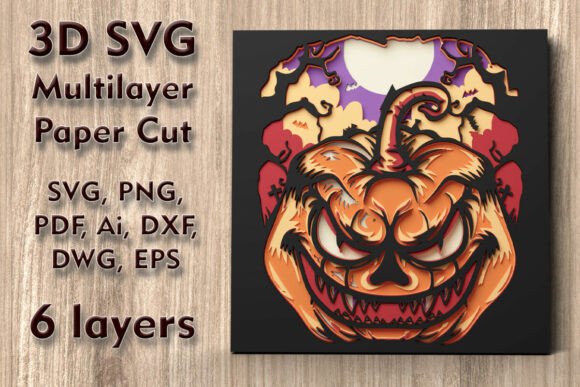
This specific design, sized at 260 x 260 mm (10.2 x 10.2 inches), offers a versatile foundation for both hobbyists and professional makers. While the dimensions are easily scalable to fit larger spaces, it is crucial to exercise caution when reducing the size. The intricate nature of multilayered designs relies on thin elements that define the details; shrinking the file too much can compromise structural integrity and make weeding or cutting difficult. With six distinct layers, this file provides enough complexity to create a rich visual narrative without becoming unmanageable for standard cutting machines.
The Rise of Dimensional Home Decor
In recent years, interior design trends have favored personalized, artisanal touches over mass-produced items. Consumers are increasingly drawn to pieces that tell a story or showcase craftsmanship. The demand for Pumpkin 3D SVG Multilayer Halloween PaperCut Files for 3D Wall Art and Shadow Box applications reflects this broader cultural shift. People are not just decorating for Halloween; they are curating experiences within their homes. A layered pumpkin design does more than signal the season; it adds architectural interest to a wall, creating a focal point that changes as the lighting in the room shifts throughout the day.
This trend is driven by the accessibility of technology. Tools that were once reserved for industrial workshops, such as laser cutters and CNC routers, are now available in compact, user-friendly formats for home use. Simultaneously, electronic cutting machines like Cricut and Silhouette have become staples in creative households. The availability of high-quality, ready-to-cut files allows users to bypass the steep learning curve of designing complex vectors from scratch. Instead, they can focus on material selection, assembly techniques, and finishing touches, elevating the final product’s quality.
Versatility Across Materials and Machines
One of the strongest advantages of this digital asset is its compatibility with a wide range of materials and hardware. The file is not limited to a single medium. Creators can experiment with plywood, MDF, wood, acrylic, aluminum, cardboard, cardstock, and paper. Each material brings a unique aesthetic to the project. For instance, cutting the layers from white cardstock and backing them with colored paper creates a classic, clean look suitable for framing. In contrast, using varying shades of stained plywood or painted MDF results in a rustic, textured piece that feels substantial and permanent.
The technical specifications support this versatility. Upon purchase, users receive a ZIP folder containing multiple file formats, including SVG, layered SVG files, DXF, DWG, EPS, AI, PNG, and PDF. This comprehensive suite ensures that whether you are using a Glowforge laser cutter, a CNC router, or a blade-based cutter like a Cricut or Silhouette, the file will integrate seamlessly into your workflow. Laser users benefit from the precision of DXF and DWG files, while vinyl and paper crafters rely on the editable paths within SVG and AI formats. The inclusion of PNG and PDF options also aids in visualization and manual tracing if needed.
Design Considerations for Successful Assembly
Working with a six-layer design requires attention to detail during both the cutting and assembly phases. The Pumpkin 3D SVG Multilayer Halloween File is engineered with spacing in mind, but the physical properties of your chosen material will dictate the final outcome. When using thicker materials like 3mm plywood or acrylic, the depth between layers becomes more pronounced, enhancing the 3D effect. However, this also means that the adhesive strategy must be robust. Double-sided foam tape is often preferred over liquid glue for these projects, as it maintains consistent spacing and prevents warping.
For those using paper or cardstock, the challenge lies in handling delicate cuts. The "thin elements" mentioned in the design notes refer to the fine lines that create the pumpkin’s texture and facial features. If scaling down the design, these lines may merge or break. It is advisable to perform test cuts on scrap material before committing to the final piece. Additionally, organizing the layers before assembly is critical. Labeling each layer according to the provided guide ensures that the depth progression is logical, with the background layers providing context and the foreground layers delivering the primary visual impact.
Expanding Creative Applications Beyond Wall Art
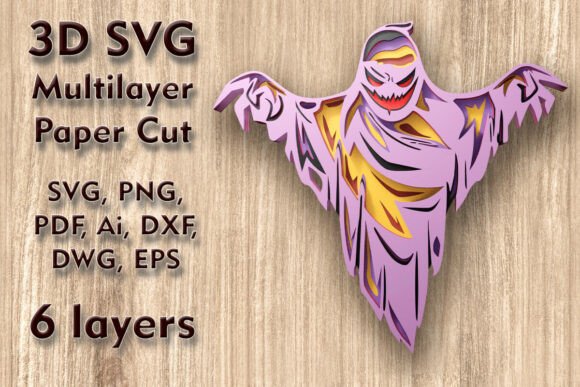
While shadow boxes are the most common application for multilayer SVGs, the potential uses extend further. Entrepreneurs and small business owners can leverage this design to create unique product offerings. Consider transforming the pumpkin design into a set of greeting cards, where the layers are folded to pop up when opened. Alternatively, the individual layers can be used as stencils for painting or embroidery, offering a hybrid approach to crafting. The Ghost Mundala Svg concept, often associated with similar multilayered designs, highlights how these files can be adapted for different themes, suggesting that mastering one complex file opens doors to a variety of seasonal projects.
Educators and workshop leaders can also utilize these files to teach principles of design and engineering. Assembling a 3D puzzle-like structure helps students understand spatial reasoning, layering, and material constraints. The process encourages problem-solving and patience, skills that are valuable beyond the crafting table. Furthermore, the digital nature of the file allows for easy distribution and collaboration, enabling remote teams or online communities to work on shared projects despite geographical distances.
Optimizing Your Workflow for Efficiency
To get the most out of your Pumpkin 3D SVG Multilayer Halloween File, consider optimizing your digital workflow. Start by importing the layered SVG into your design software to verify that all paths are closed and nodes are clean. Group elements by layer to simplify the cutting process. If you are using a laser cutter, adjust power and speed settings for each material type to ensure clean edges without charring. For blade cutters, select the appropriate pressure and blade depth to avoid tearing delicate paper fibers.
Time management is another key factor. Cutting six layers takes longer than a single-layer project. Plan your cutting schedule to allow for machine maintenance and material changes. Batch processing similar materials can save time and reduce waste. Additionally, keep your workspace organized. Having a dedicated area for sorting layers and applying adhesive prevents confusion and errors during assembly. The goal is to make the creation process as enjoyable as the final result, turning a potentially tedious task into a mindful, creative practice.
Conclusion: Elevating Seasonal Crafting
The Pumpkin 3D SVG Multilayer Halloween File represents more than just a digital download; it is a tool for creative expression in an era where personalization is paramount. By combining accessible technology with thoughtful design, creators can produce professional-grade decor that enhances their living spaces or product lines. Whether you are a seasoned maker with a CNC machine or a beginner with a paper cutter, this file offers a pathway to achieving sophisticated results. Embrace the complexity of layered design, respect the material constraints, and let your creativity shape the shadows and light of your Halloween decor.