Elevating Dimensional Craft: The Strategic Value of Camera Multilayer 3D SVG Cut Files
In the evolving landscape of digital fabrication and creative entrepreneurship, the distinction between a simple craft project and a professional-grade product often lies in depth, precision, and complexity. As creators seek to differentiate their offerings in saturated markets, tools that facilitate intricate, multi-dimensional designs have become indispensable. Among these emerging assets, Camera Multilayer 3D SVG Cut Files represent a significant leap forward in accessible, high-quality design resources. These files are not merely digital templates; they are comprehensive blueprints for creating tangible, layered art that bridges the gap between traditional craftsmanship and modern technology.
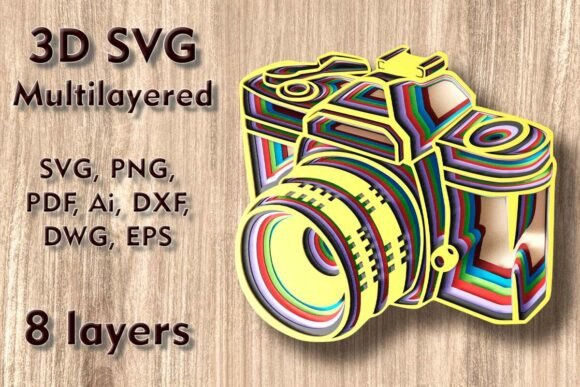
The specific design in question—a camera motif rendered through eight distinct layers—exemplifies this shift. With a base dimension of 200 x 185 mm (7.9 x 7.3 inches), this file offers a versatile canvas for home decor, gifts, and commercial products. However, its true value extends beyond its aesthetic appeal. It serves as a case study in how modern creators can leverage scalable vector graphics to meet changing consumer expectations for personalized, tactile experiences.
The Intersection of Technology and Tangible Art
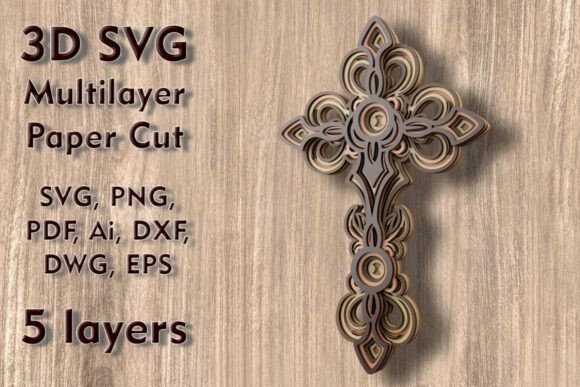
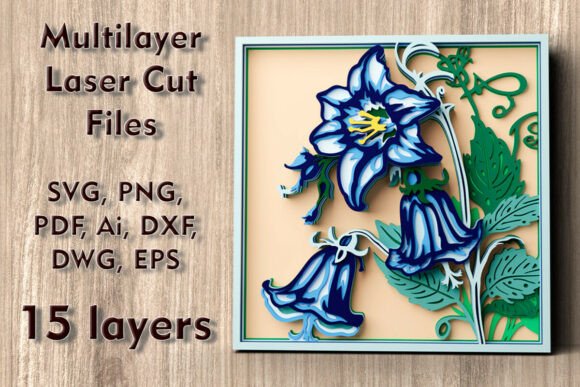
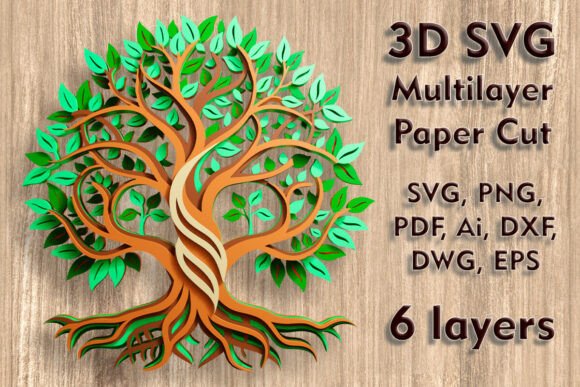
The rise of desktop laser cutters, CNC routers, and advanced cutting machines like Cricut and Silhouette has democratized manufacturing. Yet, having the hardware is only half the equation. The software and design files drive the output. Camera 3D SVG Multilayer Laser Cutting Files are engineered to maximize the capabilities of these machines. By providing a design that consists of 8 separate layers, the file allows creators to build depth physically, transforming a flat material into a sculptural object.
This approach aligns with broader industry trends where consumers are increasingly valuing artisanal quality and unique, hand-finished looks—even when produced with digital tools. The "mandala" influence in the camera design adds a layer of geometric complexity that appeals to contemporary interior design trends, which favor intricate patterns and focal points in home decor. Whether used for a wall hanging, a sophisticated greeting card, or a commemorative gift, the multilayered structure provides a visual weight that single-layer cuts cannot achieve.
Material Versatility and Workflow Integration
One of the most compelling aspects of this design is its adaptability across various materials. The file is optimized for use with Plywood, Paper, Cardstock, MDF, Wood, Acrylic, Cardboard, and even Aluminum. This versatility is crucial for professionals who need to pivot based on client preferences or cost constraints. For instance, a freelancer might use high-quality cardstock for affordable, shippable greeting cards, while a boutique studio might opt for stained plywood or acrylic for premium wall art.
However, working with multiple layers requires a nuanced understanding of material properties. The design’s default size of 200 x 185 mm is carefully balanced to ensure structural integrity. While the size is easily increased for larger installations, creators must exercise caution when reducing the design. Thin elements within the eight layers may become fragile or impossible to weed if scaled down too aggressively. This highlights a critical workflow consideration: scalability is not just about resizing pixels; it is about maintaining the physical viability of the cut paths.
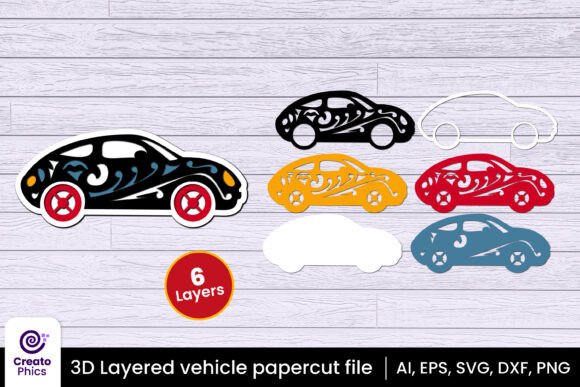
To support diverse workflows, the download package includes a ZIP folder containing multiple file formats: SVG, layered SVG files, DXF, DWG, EPS, AI, PNG, and PDF. This comprehensive format support ensures compatibility across the spectrum of creative software, from Adobe Illustrator and CorelDRAW to user-friendly platforms like Cricut Design Space and Silhouette Studio. The inclusion of layered SVGs is particularly valuable, as it preserves the separation of the eight components, allowing for precise color coding and cut order optimization.
Meeting the Demand for Personalized Home Decor
The market for home decor has shifted dramatically toward personalization and uniqueness. Mass-produced items no longer satisfy the desire for spaces that reflect individual identity. Camera Mundala Svg taps into this demand by offering a design that is both recognizable and artistically interpreted. The camera motif appeals to photographers, travelers, and memory-keepers, while the mandala structure adds a meditative, artistic quality.
For entrepreneurs, this translates into a product with high perceived value. A multilayered wall art piece created from this file can command a higher price point than a standard print because of the labor and skill involved in assembling the layers. Furthermore, the ability to customize the material and finish allows creators to offer bespoke options. A client might request a rustic look using reclaimed wood veneers or a modern aesthetic using matte black acrylic. This flexibility enables businesses to cater to niche markets without needing to redesign the core asset.
Practical Applications and Creative Expansion
Beyond wall decor, the utility of Camera 3D SVG Multilayer Laser Cutting Files extends into several practical applications. Consider the following examples:
- Greeting Cards and Invitations: Using cardstock, the eight layers can create a pop-up effect or a textured front cover for high-end invitations. The depth adds a tactile element that recipients appreciate.
- Corporate Gifts: For photography studios or media companies, this design serves as an elegant branded gift. The camera theme is directly relevant, while the quality of the cut reflects professionalism.
- Educational Projects: In STEM or art education, assembling the layers can teach students about spatial reasoning, design hierarchy, and material science.
- Event Decor: Scaled up and cut from lightweight materials like foam board or thin plywood, these designs can serve as photo booth backdrops or table centerpieces for themed events.
Each application requires a different approach to assembly and finishing. For paper-based projects, adhesive precision is key to avoiding visible glue marks. For wood or acrylic, edge sanding and painting may be necessary to enhance the contrast between layers. Understanding these nuances allows creators to deliver a polished final product that meets professional standards.
Navigating Technical Considerations for Optimal Results
To fully leverage the potential of these files, creators must pay attention to technical details. The 8-layer structure means that registration—the alignment of each layer—is critical. Misalignment can obscure details and diminish the 3D effect. Using registration marks or jigs during the assembly process can significantly improve consistency, especially for batch production.
Additionally, the choice of machine settings plays a vital role. Laser cutters require precise power and speed settings to avoid charring edges, particularly when working with multiple passes on thicker materials like MDF or plywood. CNC users must consider bit size to ensure that intricate details in the mandala pattern are accurately routed without breaking the tool or the material. The provided DXF and DWG files are essential for CNC workflows, offering clean vector paths that CAM software can interpret efficiently.
It is also worth noting the importance of testing. Before committing to expensive materials like aluminum or high-grade acrylic, creators should perform test cuts on scrap material. This helps verify that the thin elements hold up at the desired scale and that the layer spacing creates the intended visual depth. Such iterative testing is a hallmark of professional practice and reduces waste in the long run.
Conclusion: A Tool for Modern Creators
The Camera Multilayer 3D SVG Cut Files are more than just a digital download; they are a catalyst for creativity and business growth. By combining a popular motif with a sophisticated multilayered structure, this design meets the current demand for high-quality, personalized decor. Its compatibility with a wide range of machines and materials makes it accessible to hobbyists and professionals alike, while its scalable nature allows for diverse applications.
As the crafting and fabrication industries continue to evolve, the ability to produce complex, dimensional objects efficiently will remain a competitive advantage. Embracing tools like this Camera 3D Mandala layered design enables creators to push the boundaries of what is possible with desktop fabrication. Whether you are upgrading your home decor, expanding your product line, or simply exploring the joys of layered crafting, this file offers a robust foundation for success. Unlock the magic of precise, layered design and transform your projects into craft wonders that resonate with today’s discerning audience.