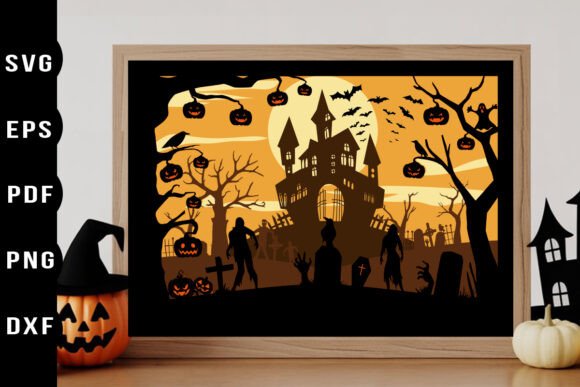
Creating a Stunning 3D Haunted House Graveyard Shadow Box for Halloween Decor
Halloween is the one time of year when eerie aesthetics take center stage, transforming ordinary homes into immersive experiences. For crafters and DIY enthusiasts, the challenge often lies in moving beyond flat, two-dimensional decorations to create pieces that possess depth, drama, and professional polish. This is where the concept of layered papercut art shines. Specifically, designing a 3D Haunted House Graveyard Shadow Box offers a unique opportunity to blend traditional storytelling with modern crafting technology. Whether you are an experienced paper artist or a beginner looking to elevate your seasonal decor, understanding how to utilize layered digital files can revolutionize your creative process.
The Appeal of Layered Papercut Art
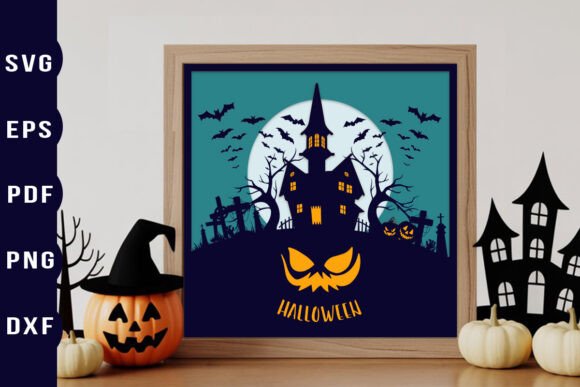
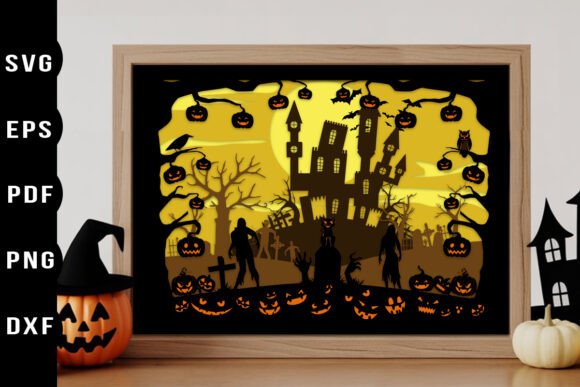
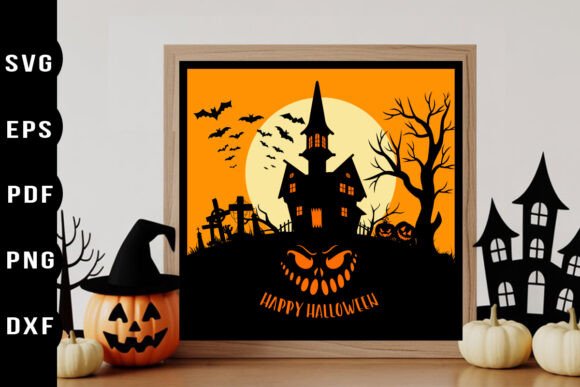
Layered papercut art, often referred to as shadow box art, relies on the strategic stacking of multiple cut-out layers to create an illusion of three-dimensionality. When light passes through these layers or when they are viewed from an angle, the varying depths produce striking shadows and highlights. A 3D Haunted House Graveyard Shadow Box is particularly effective because the genre naturally lends itself to silhouettes, misty backgrounds, and stark contrasts. The spooky atmosphere is enhanced by the physical separation between the foreground elements, such as tombstones and gnarled trees, and the background elements, like a looming haunted mansion or a full moon.
Many crafters struggle with achieving this depth manually. Drawing each layer, ensuring proper registration, and calculating the spacing required for a cohesive look can be time-consuming and prone to error. By utilizing pre-designed digital assets, you bypass the initial design hurdles and focus on assembly and customization. This approach allows you to produce high-quality, gallery-worthy pieces without needing advanced illustration skills.
Overcoming Common Crafting Challenges
One of the primary obstacles in creating complex Halloween decor is compatibility. Crafters often invest in specific cutting machines, such as Cricut, Silhouette, or Brother ScanNCut, only to find that downloadable designs are not optimized for their hardware. A well-structured 3D Haunted House Graveyard Shadow Box kit addresses this by providing files in multiple formats. SVG files are essential for users of electronic cutting machines, as they allow the software to recognize distinct cut lines for each layer. Meanwhile, printable PDF and PNG versions cater to those who prefer hand-cutting or do not own a digital cutter.
Another significant challenge is scalability. A design that looks perfect on a screen may lose detail when enlarged for a large wall hanging or become too intricate when shrunk for a greeting card. High-resolution files, typically at 300 DPI and sized around 30 inches by 24 inches, ensure that every jagged fence post and creepy window remains crisp regardless of the final dimensions. This flexibility means you can adapt the same 3D Haunted House Graveyard Shadow Box design for various projects, from small lantern inserts to large foyer displays.
Practical Applications and Creative Uses
The versatility of a layered haunted house design extends far beyond a single framed piece. Here are several ways to integrate this asset into your Halloween preparations:
- Wall Art and Framed Displays: The most common application is assembling the layers within a deep-frame shadow box. Using foam tape or spacers between each paper layer creates the necessary distance for shadows to form. Black cardstock is traditionally used for the front layers to maximize contrast, while colored or patterned paper can be used for the backdrops to add mood lighting effects.
- Illuminated Lanterns: By wrapping the layered design around a cylindrical frame or placing it inside a glass lantern, you can create a glowing centerpiece. When a light source is placed behind the paper, the semi-transparent qualities of certain layers can mimic fog or moonlight, adding an ethereal quality to the 3D Haunted House Graveyard Shadow Box.
- Greeting Cards and Invitations: Scaling down the design allows for intricate pop-up cards. The contour-flipped layers included in comprehensive file packs make it easier to align pieces for hand-assembled cards, ensuring that the recipient gets a surprise 3D reveal upon opening.
- Party Decorations: Use the individual elements as standalone cutouts for table scatter, cupcake toppers, or backdrop accents. The vector nature of EPS and AI files means you can isolate specific components, such as a single ghost or tombstone, for smaller decorative tasks.
Tailoring the Project to Your Skill Level
Different crafters will approach the creation of a 3D Haunted House Graveyard Shadow Box differently based on their tools and experience. For digital cutting enthusiasts, the workflow is streamlined. You import the SVG file into your design software, assign cut lines to each color-coded layer, and let the machine do the heavy lifting. The key here is material selection. Using heavy-weight cardstock ensures the layers hold their shape and do not warp over time, which is crucial for maintaining the structural integrity of the 3D effect.
For those who prefer hand-cutting, the provided PDF files with colored contours are invaluable. These guides act as a map, showing exactly where to cut and which layers belong together. Hand-cutting requires patience and a sharp precision knife, but it offers a tactile connection to the craft. It is also an excellent way to involve children in the process, as they can help glue layers under supervision, turning the project into a family activity.
Advanced users might choose to modify the AI or EPS files. Since these are fully editable vector formats, you can adjust the size of specific elements, change the silhouette shapes, or add personal touches like custom text or additional spooky details. This level of customization ensures that your 3D Haunted House Graveyard Shadow Box is truly one-of-a-kind, reflecting your personal style rather than just following a template.
Maximizing Impact with Lighting and Presentation
To truly bring your 3D Haunted House Graveyard Shadow Box to life, consider the role of lighting. Natural light creates dynamic shadows that change throughout the day, but artificial lighting offers consistency. LED strip lights placed behind the top layer can illuminate the scene from within, highlighting the depth between the graveyard foreground and the haunted house background. Warm white LEDs create a nostalgic, eerie glow, while cool blue or purple hues can enhance the supernatural vibe.
Framing is another critical consideration. A deep shadow box frame is necessary to accommodate the multiple layers without crushing them. Ensure the frame has a secure backing to keep the layers in place, especially if the piece will be hung on a wall. For a more rustic look, consider using an old window frame or a wooden crate lid as the housing for your paper art.
Conclusion
Creating a 3D Haunted House Graveyard Shadow Box is more than just a craft project; it is an opportunity to engage with the artistic potential of paper and light. By leveraging high-quality digital files compatible with various cutting machines and hand-cutting methods, you can overcome technical barriers and focus on creativity. Whether used for home decor, gifts, or party ambiance, these layered designs offer a sophisticated alternative to mass-produced decorations. With the right materials and a bit of patience, you can produce a hauntingly beautiful piece that captures the spirit of Halloween and showcases your crafting prowess.