Faca Caveira: Evaluating the 3D Skull Knife STL for Themed Decor and Collecting
The intersection of digital fabrication and gothic aesthetics has produced a variety of unique artifacts, but few capture the imagination quite like the Faca Caveira, or Skull Knife. This 3D model represents more than just a file ready for printing; it is a statement piece that merges the symbolic weight of mortality with the functional elegance of a blade. For collectors, hobbyists, and interior designers exploring dark-themed decor, understanding the nuances of this specific design is crucial before committing to a print or purchase.
Unlike generic skull models found in vast online repositories, the Faca Caveira distinguishes itself through its integrated composition. It does not merely place a skull next to a knife; it fuses them into a single, cohesive sculptural entity. This article explores the artistic merits, practical considerations, and comparative advantages of choosing this specific STL file over other alternatives in the themed sculpture market.
Defining the Aesthetic: More Than Just a Prop
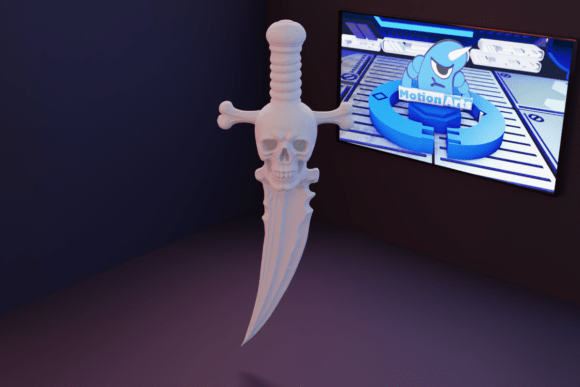
The term Faca Caveira translates directly to "Skull Knife," but the artistic execution elevates it beyond a literal description. The design typically features a stylized blade that flows seamlessly from the cranial structure, creating a silhouette that is both aggressive and elegant. This duality is what makes the model appealing to a broad audience, ranging from fans of heavy metal culture to enthusiasts of high-concept modern art.
What sets this model apart is its attention to detail. The skull is not a generic anatomical reference but a stylized interpretation that emphasizes bold lines and dramatic shadows. When printed, these features catch light in ways that flat surfaces do not, adding depth and visual interest to any shelf or display case. The blade portion often incorporates intricate patterns or serrations that challenge the capabilities of standard 3D printers, serving as a testament to the quality of the underlying digital mesh.
For those evaluating this piece, it is important to recognize that it is designed primarily as a static sculpture. While it mimics the form of a weapon, its purpose is decorative and symbolic. This distinction is vital for buyers who might be looking for functional replicas versus artistic installations. The Faca Caveira falls firmly into the latter category, offering a safe yet striking alternative to real metal weaponry for home decor.
Comparing Formats: STL Files vs. Pre-Made Resin Casts
When acquiring a piece like the Skull Knife, consumers generally face two primary paths: downloading the digital STL file for personal 3D printing or purchasing a pre-manufactured resin cast. Each approach has distinct tradeoffs regarding cost, customization, and final quality.
The Digital STL Route
Opting for the digital file offers unparalleled flexibility. Once you have the Faca Caveira STL, you control the material, scale, and finish. You can print it in matte black PLA for a stealthy look, use metallic filament for a forged steel appearance, or even experiment with translucent resins for a ghostly effect. This route is ideal for individuals who already own a 3D printer or have access to a local printing service. It allows for iterative experimentation; if one print fails or lacks detail, you can adjust settings and try again without additional licensing fees.
The Pre-Made Alternative
Conversely, buying a pre-cast version removes the technical barrier entirely. There is no need to worry about support structures, layer adhesion, or post-processing. However, this convenience comes at a premium price and a loss of creative control. You are limited to the colors and finishes the manufacturer offers. For collectors who value uniqueness, the mass-produced nature of pre-made casts may feel less special than a piece they helped bring to life through the printing process.
For most hobbyists, the STL file represents better long-term value. It serves as a permanent resource that can be revisited for gifts, replacements, or variations in size. The initial learning curve of 3D printing is offset by the ability to produce multiple copies at a fraction of the retail cost of physical sculptures.
Technical Considerations for 3D Printing
While the Faca Caveira is described as an optimized STL file, successful printing requires an understanding of your hardware’s limitations. The model’s "dark and bold" design often includes overhangs, particularly where the blade extends from the skull. These areas may require careful orientation on the print bed to minimize the need for supports, which can leave marks on the final surface.
- Resolution Matters: To capture the fine details of the skull’s teeth and eye sockets, a layer height of 0.1mm to 0.15mm is recommended. Lower resolutions may result in a loss of definition, making the piece look blocky rather than intricate.
- Material Choice: Standard PLA is sufficient for display pieces, but PETG or ABS may offer better durability if the sculpture will be handled frequently. For a premium finish, resin printers (SLA/DLP) provide superior surface smoothness, eliminating visible layer lines entirely.
- Post-Processing: The true potential of the Faca Caveira is realized after printing. Sanding, priming, and painting can transform a plastic object into a convincing metal artifact. Many users opt for dry-brushing techniques with silver or bronze paints to highlight the raised details of the blade and bone structure.
It is also worth noting that the file is optimized for structural integrity. Poorly designed models often have thin sections that break easily during removal from the print bed. The Faca Caveira’s design accounts for this, ensuring that the connection points between the skull and blade are robust enough to withstand handling.
Ideal Use Cases and Audience Fit
Who is this model really for? Understanding the best-fit scenarios helps determine if the Faca Caveira aligns with your current projects or interests.
Themed Interior Design
For spaces decorated in industrial, gothic, or cyberpunk styles, this sculpture serves as an excellent focal point. Its vertical orientation makes it suitable for bookshelves, mantelpieces, or desk displays. Unlike larger statues that dominate a room, the Skull Knife is compact enough to fit in smaller spaces while still commanding attention.
Creative Gifting
Finding gifts for individuals with niche interests can be challenging. A 3D-printed Faca Caveira, especially if hand-painted, demonstrates effort and personalization. It appeals to fans of horror genres, fantasy gaming, and tactical aesthetics without being overly aggressive or controversial, given its clear status as an art piece.
Artistic Reference and Study
Art students and digital sculptors may find value in studying the mesh topology of the file. Analyzing how the designer merged organic shapes (the skull) with geometric forms (the blade) can provide insights into complex modeling techniques. It serves as a practical example of hybrid design in 3D space.
Limitations and When to Look Elsewhere
Despite its strengths, the Faca Caveira is not a universal solution. If you are seeking a historically accurate replica of a specific cultural dagger, this stylized model will not meet your needs. Its design is fantastical and symbolic, prioritizing visual impact over realism.
Additionally, if you do not have access to a 3D printer and are unwilling to learn the basics of slicing software, the digital file may prove frustrating. In such cases, hiring a professional printing service or opting for a pre-made product might be more practical. Furthermore, those sensitive to macabre imagery should consider the placement of this item carefully, as the skull motif is prominent and unmistakable.
Another consideration is scale. While STL files can be resized, extreme scaling up or down can distort details. Printing the model too small may merge fine features, while printing it too large without increasing resolution can expose layer lines. It is best to stick close to the designer’s intended dimensions for optimal results.
Making the Decision
Choosing the Faca Caveira ultimately depends on your appreciation for dark aesthetics and your willingness to engage with the 3D printing process. It offers a compelling blend of artistic expression and technical engagement. For those who value customization and the satisfaction of creating their own decor, the STL file provides a rewarding project with a high-quality payoff.
However, if you prefer a hands-off approach or require historical accuracy, other options may serve you better. By weighing the tradeoffs between digital flexibility and physical convenience, you can determine if this skull knife is the right addition to your collection. Whether displayed on a desk or used as a reference for further artistic exploration, the Faca Caveira stands as a bold example of modern digital craftsmanship.