Evaluating the Rustic Stone Wall Texture for Professional Design Workflows
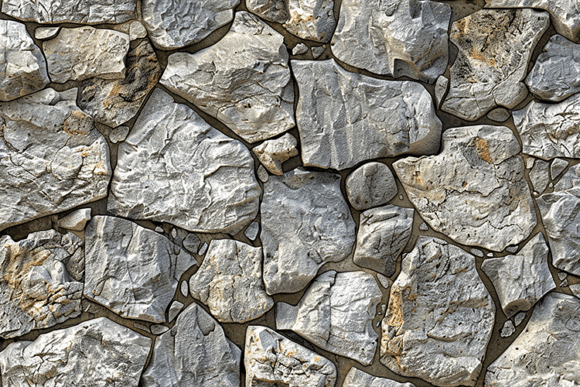
In the realm of digital design and architectural visualization, texture is not merely a decorative element; it is a foundational component that dictates the perceived weight, age, and authenticity of a project. Among the vast array of available assets, the Rustic Stone Wall Texture stands out as a particularly versatile resource. This asset is defined by its realistic portrayal of irregularly shaped rocks, natural cracks, rough surfaces, and earthy gray tones. For professionals seeking to inject organic realism into their work, understanding the specific qualities of this texture is essential for determining its fit within a broader creative toolkit.
Visual Characteristics and Authenticity
The primary value of any stone texture lies in its ability to mimic the chaotic order found in nature. A high-quality Rustic Stone Wall Texture avoids the repetitive, tiled appearance that often plagues lower-resolution assets. Instead, it features an organic layout where each stone varies in size, shape, and orientation. The irregularity is key. In real-world masonry, especially in rustic or medieval contexts, stones are rarely uniform. They are fitted together with mortar that settles unevenly, creating shadows and depth that flat graphics cannot replicate.
The color palette of this specific asset leans heavily into earthy gray tones. This neutrality is a significant strength. While vibrant or highly saturated textures have their place, earthy grays serve as a robust neutral base. They allow designers to adjust hue, saturation, and brightness in post-production without losing the integrity of the underlying detail. The rough surfaces captured in the image provide necessary micro-contrast, ensuring that the texture reads correctly even when scaled down for background use or zoomed in for close-up architectural renderings.
Technical Specifications and Usability
For professional applications, resolution is non-negotiable. This asset is delivered as a single JPG file with a high resolution of 300 DPI. The pixel dimensions, such as 5000 × 3000 pixels, offer substantial flexibility. At this resolution, the texture can be printed at large formats without visible pixelation, making it suitable for physical products like wallpaper samples, book covers, or large-format signage. Digitally, it provides enough data density to withstand cropping and manipulation.
The choice of JPG format is practical for most workflows. While PNG or TIFF files preserve lossless data, they come with significantly larger file sizes that can slow down workflow efficiency. A high-quality JPG at 300 DPI strikes a balance between file manageability and visual fidelity. For web designers, this means faster load times when optimized, while 3D artists and architects benefit from the detailed surface information required for displacement maps and bump mapping.
Applications Across Creative Industries
The versatility of the Rustic Stone Wall Texture allows it to serve multiple industries. Its utility extends far beyond simple background placement.
- Architectural Visualization: Architects and interior designers use this texture to create realistic renderings of exterior facades, garden walls, or interior feature walls. The natural cracks and rough surfaces help clients visualize how light will interact with the material in a real-world setting.
- Game Design and 3D Modeling: Game developers require textures that hold up under dynamic lighting. The detailed stone pattern provides excellent base color data for creating normal maps and roughness maps. The irregular shapes reduce the "tiling" effect when applied to large virtual environments, enhancing immersion in medieval or fantasy settings.
- Graphic Design and Branding: For brands aiming to convey stability, heritage, or natural authenticity, this texture serves as an effective backdrop. It works well for packaging designs, particularly for artisanal products, craft beers, or organic foods, where a connection to raw materials is desirable.
- Digital Scrapbooking and Print Crafts: Hobbyists and small business owners creating digital papers or printable crafts find this asset invaluable. The earthy tones complement a wide range of other design elements, from floral overlays to vintage typography.
Strengths in Practical Workflow
One of the most compelling aspects of this texture is its consistency. Inconsistent lighting or uneven exposure can make a texture difficult to integrate into a composite image. This Rustic Stone Wall Texture appears to be captured under diffuse, even lighting, which minimizes harsh shadows that might conflict with the lighting direction of the final project. This neutrality allows the designer to control the lighting narrative entirely within their software.
Furthermore, the organic layout reduces the need for extensive editing. Many stone textures require manual cloning or healing to remove obvious repeat patterns. With an irregular arrangement of rocks, the eye is less likely to detect repetition, saving time during the texturing phase. This efficiency is crucial for freelancers and agencies working under tight deadlines.
Limitations and Considerations
While highly effective, this asset is not a universal solution. Designers working on modern, minimalist projects may find the rough, cracked surface too busy or dated. The aesthetic is inherently tied to rustic, medieval, or industrial themes. Attempting to force this texture into a sleek, contemporary context may result in visual dissonance unless heavily manipulated or used as a subtle, low-opacity overlay.
Additionally, as a static 2D image, it lacks the multi-angle data provided by photogrammetry scans. For high-end film production or VR experiences requiring parallax effects, a simple JPG may need to be supplemented with additional maps (normal, displacement, ambient occlusion) generated through specialized software. However, for the majority of print, web, and standard 3D applications, the provided resolution and detail are more than sufficient.
Long-Term Value for Creators
Investing in high-quality, versatile textures like this one offers long-term value. Unlike trend-dependent graphics, stone textures remain relevant because they represent a fundamental building material. A well-captured Rustic Stone Wall Texture does not expire. It can be reused across multiple projects, from a medieval-themed game asset today to a sophisticated architectural brochure next year.
For educators and publishers, having a library of reliable, high-resolution textures ensures that educational materials and publications maintain a professional standard. The clarity of the image allows for detailed examination of geological features or construction techniques, adding educational value beyond mere aesthetics.
Final Assessment
The Rustic Stone Wall Texture is a robust, practical asset for creators who prioritize realism and versatility. Its strengths lie in its high resolution, natural irregularity, and neutral earthy palette. It performs exceptionally well in architectural renderings, game design, and print media where texture and depth are critical. While it may not suit every aesthetic, particularly ultra-modern designs, its application in rustic and historical contexts is nearly unmatched.
For professionals evaluating their digital asset libraries, this texture represents a solid foundation. It reduces workflow friction by providing a ready-to-use, high-fidelity surface that requires minimal adjustment. Whether you are a freelancer looking to enhance client presentations or a hobbyist crafting digital scrapbooks, this asset delivers the organic authenticity necessary to elevate your design work. By understanding its technical specifications and visual characteristics, creators can leverage this resource to produce more convincing, engaging, and professional results.