3d Mandala with Transparent Background: Design Applications and Considerations
The integration of digital art into modern design workflows has expanded the toolkit available to creatives, marketers, and hobbyists alike. Among the diverse array of assets available, the 3d Mandala with Transparent Background stands out as a versatile resource. This specific type of graphic combines the spiritual and geometric precision of traditional mandala art with contemporary three-dimensional rendering techniques. By offering these designs on a transparent background, creators gain the flexibility to layer intricate patterns over various media without the constraints of a solid backdrop. Understanding the utility, aesthetic value, and technical considerations of these assets is essential for determining whether they align with your specific project goals.
Understanding the Aesthetic and Technical Composition
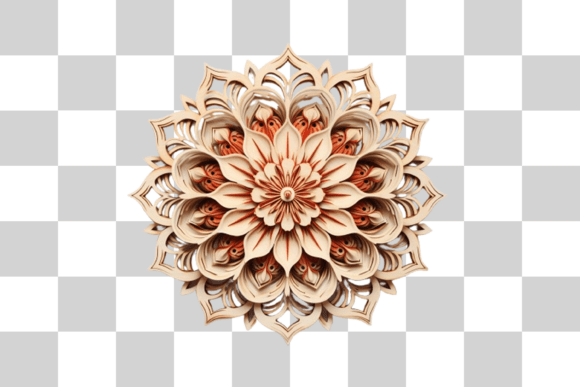
A mandala is traditionally a geometric configuration of symbols, often used in spiritual practices to represent the universe. In the digital realm, this concept evolves. A 3D mandala differs from flat, two-dimensional illustrations by incorporating depth, shading, and perspective. This creates an illusion of volume, making the floral or geometric patterns appear to float or rise off the surface. When paired with a transparent background, typically saved in PNG format or provided as a layered PSD file, the asset becomes non-destructive. This means it can be placed over photographs, solid colors, or textured backgrounds without requiring complex masking or erasing tools.
The visual appeal lies in the balance between harmonious colors and precise geometry. These designs often blend modern digital aesthetics with bohemian influences, creating an ethereal quality that evokes zen serenity. For designers, the "hand-drawn turned digital masterpiece" aspect ensures that while the lines are mathematically precise, the overall feel retains an organic, artistic touch. This duality makes the graphic suitable for both corporate branding seeking a calm image and personal projects aiming for a vibrant, decorative look.
Practical Applications and Use Cases
The versatility of a 3d Mandala with Transparent Background allows it to serve multiple functions across different industries and personal projects. Evaluating where this asset fits best requires looking at specific use cases:
- Digital Wallpapers and Screensavers: The intricate details and calming color palettes make these mandalas ideal for desktop and mobile backgrounds. The transparency allows users to customize the underlying color to match their device theme or mood.
- Print-on-Demand Products: For entrepreneurs selling t-shirts, mugs, or tote bags, a high-resolution transparent PNG is invaluable. It ensures the design prints cleanly on colored fabrics without unwanted white boxes around the edges.
- Meditation and Wellness Materials: Yoga studios, mindfulness apps, and therapy centers often use mandalas as focal points for relaxation. The 3D effect can add a modern twist to traditional meditation aids, appealing to a younger demographic.
- Graphic Design Overlays: Web designers and social media managers can use these graphics as subtle overlays to add texture and depth to banners, posts, or website headers without overpowering the primary text or message.
- Educational and Recreational Activities: The detailed patterns can serve as templates for coloring pages. While the digital file is colored, it can be desaturated or used as a reference for physical coloring books, appealing to both children and adults seeking stress-relief activities.
Benefits of Using Transparent 3D Assets
Choosing a pre-made 3D mandala offers several distinct advantages over creating one from scratch or using flat 2D alternatives. First, time efficiency is significant. Rendering a 3D object with proper lighting, shadows, and geometric symmetry requires specialized software and skills. Accessing a ready-made asset allows designers to bypass the creation phase and move directly to implementation.
Second, the transparent background eliminates technical friction. In formats like PSD (Photoshop Document), layers are often preserved, allowing users to adjust individual elements, such as color hues or opacity levels. This flexibility supports customization without compromising the integrity of the original design. Furthermore, the visual depth provided by 3D rendering adds a level of sophistication that flat vectors may lack, helping designs stand out in crowded digital spaces.
Tradeoffs and Limitations to Consider
Despite the benefits, there are tradeoffs to consider when selecting a 3d Mandala with Transparent Background. One primary consideration is file size. High-resolution 3D renders with transparency data can be large, which may impact website loading speeds if not optimized correctly. Designers must balance visual quality with performance, potentially compressing images for web use while retaining higher resolution versions for print.
Another limitation is stylistic compatibility. The intricate, colorful nature of many 3D mandalas may clash with minimalist or ultra-corporate design languages. If a brand identity relies on stark simplicity, a highly detailed, multi-colored mandala might appear distracting rather than enhancing. Additionally, while the transparent background offers flexibility, it does not guarantee seamless integration with all background types. Complex or busy backgrounds may compete with the mandala’s details, reducing legibility and visual impact.
Alternatives and Comparative Analysis
When evaluating whether a 3D mandala is the right choice, it is helpful to consider alternatives. Flat 2D vector mandalas are a common substitute. They are typically smaller in file size and scale infinitely without loss of quality, making them ideal for logos or large-format printing where 3D shading might pixelate. However, they lack the depth and realistic texture of 3D designs.
Another alternative is generating custom mandalas using algorithmic tools or AI. This approach offers unique, one-of-a-kind results but requires a learning curve and may not provide the same level of curated artistic intent as a hand-crafted digital masterpiece. For projects requiring strict brand consistency, custom creation may be necessary, whereas stock 3D mandalas offer a quicker, cost-effective solution for general decorative purposes.
Decision-Making Insights for Creators
To determine if this asset aligns with your needs, assess the primary goal of your project. If the objective is to evoke calm, spirituality, or artistic flair with minimal effort, a 3d Mandala with Transparent Background is a strong fit. It is particularly effective for wellness brands, creative portfolios, and personal decor.
However, if the project demands strict minimalism, extremely fast load times, or scalable vector graphics for signage, alternative formats may be more appropriate. Always check the license agreements associated with the PSD or PNG files to ensure commercial usage rights if the design will be part of a product for sale. By weighing the aesthetic benefits against technical constraints, creators can make informed decisions that enhance their visual communication without introducing unnecessary complexity.